Introduction: More Than Just a Summer Annoyance
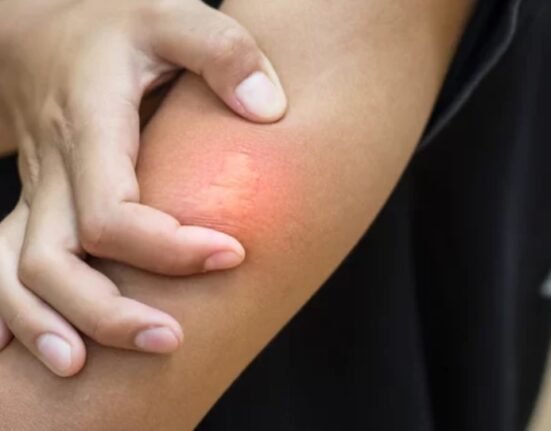
A perfect summer day outdoors can be quickly interrupted by the buzzing of a nearby bee. For most, the fear is of a short, sharp pain followed by minor irritation. This common experience, however, masks a more serious reality for a significant portion of the population. While the majority of insect stings result in only localized discomfort, some can trigger severe allergic reactions, such as anaphylaxis—a life-threatening response where the body goes into shock.
The truth is, many of us are unaware of the surprising factors and statistics surrounding insect allergies. In the United States alone, an estimated 50 people die each year from these reactions, underscoring the importance of understanding this common but potentially dangerous issue. This article uncovers five impactful truths about bee and insect allergies that everyone should know to stay safer outdoors.
- The Scale is Wider Than You Think
While severe insect allergies are often perceived as a rare condition, the reality is quite different. In Turkey, for instance, statistics show that as many as 1 in every 10 adults has an allergy to insect stings. This figure highlights that these allergies are a significant public health issue, not an uncommon affliction.
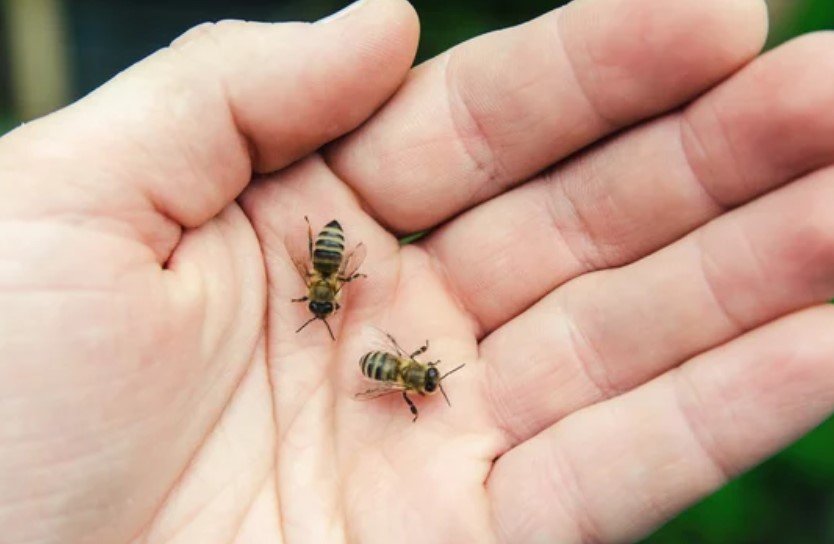
Among all stinging insects, bees are considered the most dangerous and deadly. While we often group them together, the threat comes from various species, including honey bees, wasps, and large bees, with some carrying a more dangerous sting than others. The widespread nature of these allergies, combined with the potency of insect venom, makes awareness and precaution essential for the general population.
- The Highest Risk Group Might Surprise You
When we think of who is most vulnerable to a severe allergic reaction, we might picture young children or individuals with a long history of severe allergies. However, data reveals a surprising demographic at the highest risk for fatal outcomes. Fatalities resulting from bee sting allergies are most commonly seen in males over the age of 50.
This counter-intuitive fact raises important questions about whether pre-existing cardiovascular conditions, which are more common in this demographic, could play a role in the severity of a reaction. It serves as a critical reminder that a person’s risk profile can change over time and may not align with common assumptions. While men over 50 are statistically at higher risk, the severity of any individual’s reaction can be dramatically influenced by their immediate response—a factor that’s within everyone’s control.
- Your Response Can Worsen the Reaction
In the moments after a bee sting, your physical and emotional state can play a crucial role in the severity of an allergic reaction. Research shows that certain factors can significantly amplify the body’s response to the venom. These include:
- Panic and fear
- Excessive heat
- Strenuous exercise
- Consuming alcohol
This is a critical but little-known piece of information for anyone who has been stung. Staying as calm and cool as possible, and avoiding physical exertion or alcohol, can help mitigate the severity of a developing allergic reaction while you seek appropriate medical care.
- Your Fashion Choices Could Be an Invitation
What you wear and how you smell can make you a more attractive target for stinging insects. For individuals with a known allergy, prevention is the best strategy, and simple daily choices can make a significant difference. To reduce the risk of being stung, it is recommended to:
- Avoid wearing brightly colored and floral-patterned clothing.
- Refrain from using perfumes.
Bees are drawn to bright colors and floral patterns as they mimic the flowers they seek for nectar. Similarly, perfumes can mimic the floral scents that guide them. Avoiding these attractants is a key preventive measure. Additionally, it’s wise to keep sugary foods and drinks covered when outdoors, as they are a major draw for wasps.
- It’s Not Just Bees: Other Insects Pose a Growing Threat
While bees are a primary concern, they aren’t the only insects that pose an allergy risk. In recent years, ants are increasingly being recognized as a growing health threat. Unlike a bee that stings once, an ant can hold on with its jaws and sting multiple times in a circular pattern.
This attack often results in a distinct pustule forming at the sting site. This serves as an important reminder that vigilance during outdoor activities should extend beyond just flying insects to those on the ground as well.
Conclusion: Be Prepared, Not Scared
Understanding the nuances of insect allergies is the first step toward staying safe. The data shows us that the danger of an insect sting isn’t just about the venom itself; it’s a complex interaction between the insect, our personal biology (like age and gender), our immediate emotional and physical state, and even our fashion choices.
Awareness is not about creating fear but about fostering preparedness. Knowing the risk factors, adopting simple prevention strategies, and having a plan—such as carrying a prescribed epinephrine auto-injector—can make all the difference between a minor incident and a medical emergency.
Now that you know these surprising facts, what is one simple change you’ll make to stay safer outdoors this season?