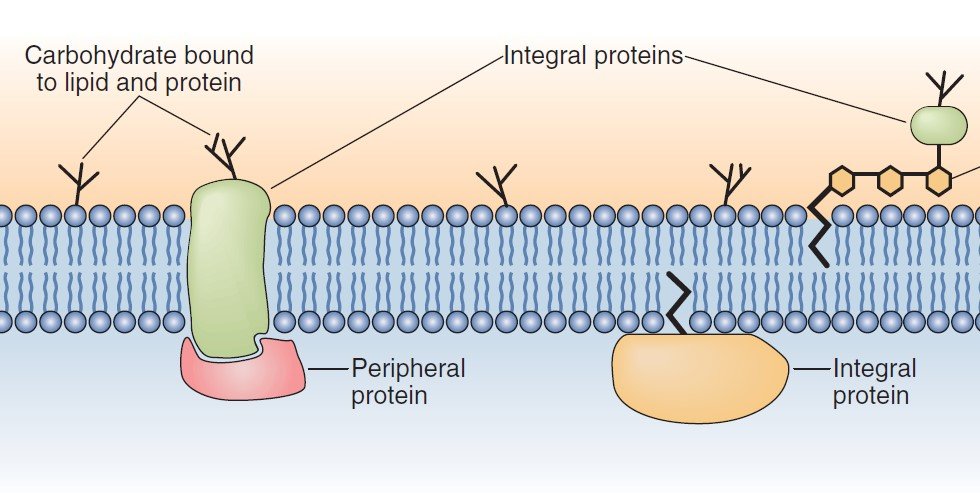
The plasma membrane, or plasmalemma, is a 7.5 nm thick, semipermeable lipid bilayer that serves as the boundary of the cell, essential for maintaining structural and functional integrity. Its architecture is described by the fluid mosaic model, which details a dynamic assembly of phospholipids, cholesterol, and glycolipids forming a bilayer in which integral and peripheral proteins are embedded. These proteins, constituting approximately 50% of the membrane’s mass, perform critical functions including transport, signal transduction, and cell adhesion.
The membrane strictly regulates the passage of substances through passive transport (simple and facilitated diffusion) and energy-dependent active transport. Specific channels and carrier proteins, such as aquaporins and the Na⁺–K⁺ pump, mediate the movement of ions and molecules. The plasma membrane is also central to cell-to-cell communication, utilizing a variety of surface receptors—including channel-linked, catalytic, and G protein-linked receptors—to receive extracellular signals and trigger intracellular responses via second messengers.
Structurally, the membrane is anchored to the internal cytoskeleton through integrin proteins, a linkage vital for maintaining cell shape and stability. The clinical significance of the plasma membrane is profound, as defects in its components are implicated in numerous diseases, including hereditary spherocytosis (defective spectrin), cystinuria (defective carrier proteins), and various conditions resulting from dysfunctional G proteins or receptors, such as those targeted by cholera toxin and certain venoms.