


As schools reopen and seasons change, the familiar chorus of coughs, sniffles, and sore throats returns. But is it just the seasonal flu making its rounds, or could it be something else? New COVID-19 Omicron subvariants are circulating, and they are presenting in ways that can be easily mistaken for a common upper respiratory infection—especially in children. This article breaks down the most important and surprising takeaways from observations this late summer and early fall to help you navigate this new wave.
- A Sore Throat That Feels “Like a Razor Blade” Could Be the Nimbus Variant
One of the most distinctive symptoms of the emerging Nimbus (NB.1.8.1) variant is an unusually sharp and severe sore throat. Unlike a typical scratchy throat from a cold, this symptom is described as something much more intense.
A key sign of the Nimbus variant is a sharp sore throat, popularly described as feeling “like a razor blade,” often accompanied by swollen lymph nodes in the neck.
This specific symptom is a crucial clue. Its uniqueness might prompt someone to consider COVID-19 instead of dismissing their illness as a typical cold. According to UK National Health Service officials, other classic symptoms like fatigue, fever, and muscle aches can also be present with this variant.
- Many Cases Look Just Like a Standard Upper Respiratory Infection
With the Omicron strains circulating in the 2024-2025 season, many COVID-19 cases present with a familiar cluster of symptoms. The most common signs include nasal congestion or runny nose, cough, fatigue, fever or chills, headache, muscle aches, sore throat, sneezing, and shortness of breath. Some cases can also involve nausea, vomiting, diarrhea, or a potential loss of taste and smell.
This significant symptom overlap makes it very difficult to distinguish COVID-19 from seasonal flu and other common viruses based on symptoms alone. This dangerous mimicry of a common cold may be contributing to a significant, observable trend in the youngest populations.
- The 0-4 Age Group Is Leading in Emergency Room Visits
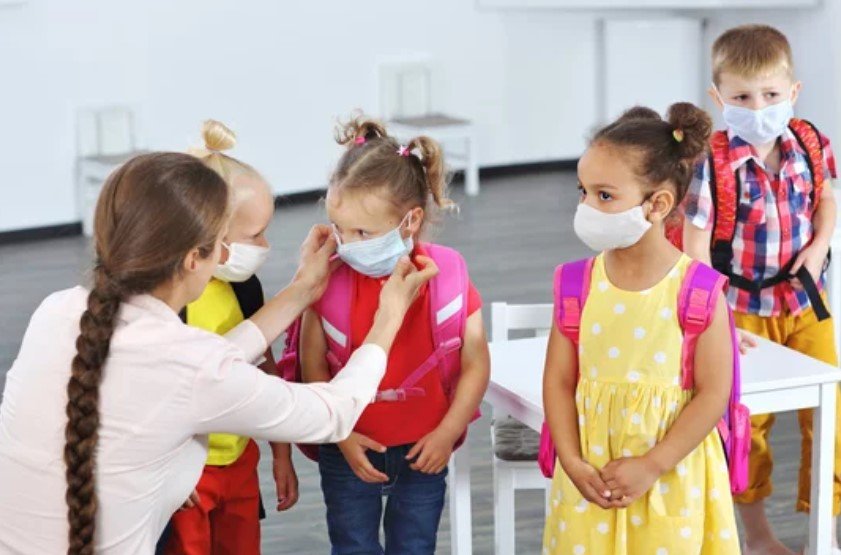
With the start of the school year, an increase in upper respiratory infections has been observed among children in daycare and preschool. Data from the US in August 2025 reveals a significant 15.2% rise in emergency room visits for respiratory symptoms, with the highest rates seen in the 0-4 age group.
However, it is crucial to add context: despite this rise in ER visits, hospitalization and death rates for this age group have remained low. Most COVID-19 cases in children are mild and can be managed effectively with supportive care and isolation at home.
- Don’t Ignore Nausea, Vomiting, or Diarrhea
The new variants, particularly Nimbus, can also present with gastrointestinal symptoms that may accompany the more common respiratory signs. These include nausea, vomiting, and diarrhea.
This serves as an important reminder that COVID-19 is not a strictly respiratory illness. Digestive complaints can be a key indicator of infection and should not be overlooked, especially when other cold-like symptoms are present.
- When in Doubt, Get Tested
Infectious disease guidelines emphasize that diagnosing COVID-19 based on symptoms alone is not advisable due to the significant overlap with other circulating viruses. The only way to be certain is through testing.
There are two main methods for diagnosis:
- PCR tests: Considered the most reliable method, PCR tests detect the virus’s genetic material.
- Rapid antigen tests: These provide quicker results but are less sensitive. A negative result from a rapid test might require a follow-up test a few days later if symptoms persist.
The official recommendation is clear: individuals with symptoms should get tested and isolate until the result is confirmed to prevent further spread.
Conclusion: Staying Aware in the New Normal
The latest wave of COVID-19 shows that the virus continues to evolve, presenting symptoms that are both surprisingly specific—like the “razor blade” sore throat—and deceptively common. It is more important than ever to remain vigilant and avoid dismissing symptoms as “just a cold.” This is especially true for households with young children, individuals with chronic illnesses, or those with weakened immune systems.
In an era of overlapping viruses, how can we best protect our families while navigating our daily lives?