
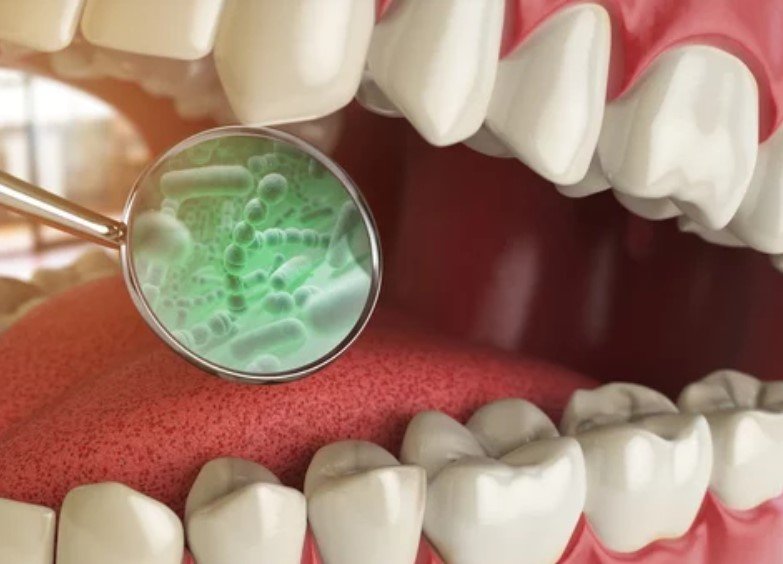
We’ve all felt it—that moment of self-consciousness before a close conversation, wondering if our breath is fresh. This common anxiety around bad breath, or halitosis, is more than just a social inconvenience. While we often blame it on the morning coffee or a garlicky meal, persistent bad breath can be your body’s way of signaling a deeper health concern that needs attention.
“Untreated and persistent bad breath complaints can lead to negatives such as communication problems, loss of self-confidence, and withdrawal from social relationships.”
Surprising Takeaway 1: Your Breath Could Be a Warning Sign from Your Body
It’s Not Always About Your Mouth.
While the majority of bad breath cases originate from bacteria in the mouth, a persistent odor that won’t go away can be an early warning sign of a serious systemic disease. Your body might be trying to tell you about an issue far from your mouth, with conditions like diabetes, stomach problems, and sinus infections all capable of manifesting as halitosis.
This is where the conventional wisdom falls short. Masking the odor with toothpaste or mints is like silencing a fire alarm without checking for a fire. Investigating the root cause is therefore critical. By treating the underlying illness, you not only address a potentially serious health issue but you often eliminate the bad breath as a direct result—a solution no mint can offer.
Surprising Takeaway 2: Brushing Your Teeth Is Only Part of the Solution
You’re Probably Forgetting the Biggest Culprit: Your Tongue.
Even those with a meticulous brushing habit often miss the single biggest reservoir of odor-causing bacteria: the tongue. While bacteria on the tongue is the primary culprit, other issues like undiagnosed cavities, gum disease, or even tonsil stones can also be the source of persistent odor, highlighting the importance of regular dental check-ups. To properly combat the bacteria that cause odor, a truly comprehensive approach is necessary.
- Brushing teeth at least twice daily.
- Using dental floss for cleaning between teeth.
- Cleaning the tongue with a special brush or scraper.
- Supporting hygiene routines with an oral irrigator (water flosser).
Surprising Takeaway 3: The Hidden Factors That Make It Worse
It’s Not Just What You Eat, But What You Don’t Drink.
Lifestyle factors beyond the usual suspects like onions and garlic play a critical role in oral health. It’s not just what you eat, but also what you don’t drink. Insufficient water consumption, for instance, leads to a dry mouth—an ideal breeding ground for bacteria. Similarly, smoking creates a conducive environment for bad breath, as can long periods of fasting. Furthermore, certain medications or nutritional deficiencies can alter the very composition of your saliva, encouraging bacterial buildup.
Your Action Plan for Fresher Breath
Ready to take control? This simple checklist turns these insights into a powerful daily action plan for better health.
- Maintain a comprehensive daily hygiene routine: Brush twice a day, floss daily, and don’t forget to clean your tongue with a scraper or special brush.
- Stay hydrated: Drink plenty of water throughout the day to prevent a dry mouth.
- Reduce or quit smoking and alcohol consumption.
- Be mindful of your diet by moderating consumption of foods and drinks known to cause odor, such as onions, garlic, and coffee.
- Chew sugar-free gum: This helps stimulate saliva production, which naturally cleanses the mouth.
- Consider using an antibacterial mouthwash to support your daily cleaning routine.
- Schedule a check-up with your dentist at least twice a year for professional cleanings and early detection of issues like cavities or gum disease.
- If bad breath persists despite excellent hygiene, consult your doctor. They can help investigate and may refer you to a specialist—such as an Ear, Nose, and Throat (ENT) doctor or a gastroenterologist—to rule out underlying medical causes.
Conclusion: Listen to What Your Body Is Telling You
Persistent bad breath is more than an embarrassing social issue; it’s a signal from your body that shouldn’t be ignored. It serves as a key indicator of both your oral and your overall health. By understanding the causes and taking the right actions, you can not only achieve fresher breath but also protect your well-being.
Now that you know the signs, what is your breath trying to tell you?
