
This guide provides a comprehensive review of the causes, implications, and management strategies for halitosis (bad breath), based on information provided by Dr. İrem Merve Özbek of Memorial Bodrum Hospital’s Oral and Dental Health Department.
Quiz: Test Your Knowledge
Answer the following questions in 2-3 complete sentences based on the provided context.
- What is the medical term for bad breath, and what are some of the social consequences it can cause?
- According to the text, what is the most common cause of bad breath?
- Besides poor oral hygiene, what other habits or conditions can contribute to the development of bad breath?
- Why is simply using toothpaste sometimes insufficient for addressing persistent bad breath?
- What specific systemic diseases can be indicated by chronic halitosis?
- Describe the recommended routine for daily oral care to prevent bad breath.
- What is the significance of the tongue in oral hygiene, and how should it be cared for?
- What two supplementary tools are mentioned to support regular teeth brushing?
- How often should an individual visit a dentist, and what procedures are important for preventing bad breath?
- If persistent bad breath is not resolved through oral hygiene, what other medical specialists might need to be consulted?
Quiz Answer Key
- The medical term for bad breath is halitosis. It can have a significant negative impact on an individual’s social life, leading to communication problems, a loss of self-confidence, and social withdrawal.
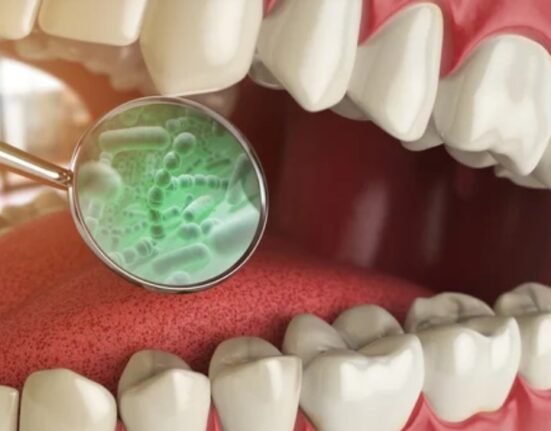
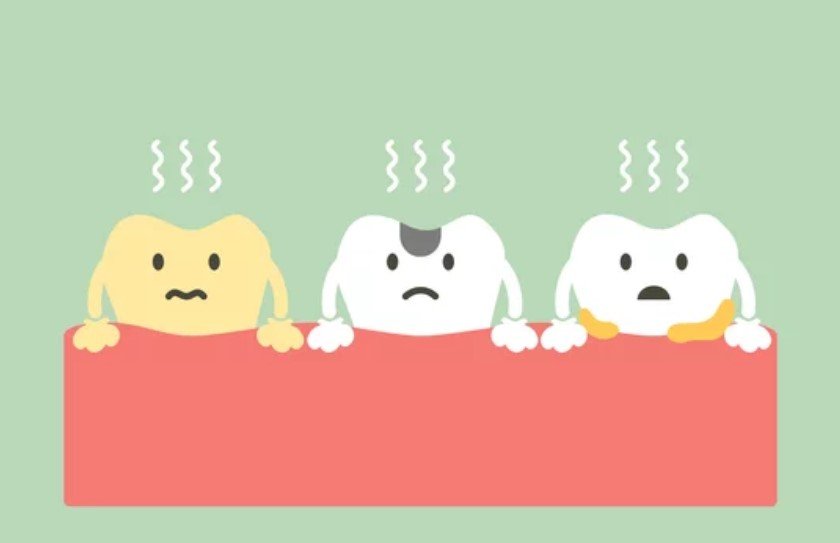
- The most common cause of bad breath is bacteria within the mouth. Specifically, factors like insufficient oral hygiene, gum disease, tooth decay, a bacterial layer on the tongue, and tonsil stones are the primary contributors.
- Habits such as insufficient water consumption, smoking, and fasting for long periods can cause bad breath. Additionally, rarer causes can include systemic diseases like sinus infections, diabetes, and stomach problems, as well as nutritional deficiencies or long-term medication use that alters saliva composition.
- Toothpaste alone may be insufficient because persistent bad breath can be an early signal of underlying medical conditions like diabetes, liver disease, or stomach illnesses. In such cases, focusing only on oral hygiene will not address the root cause of the problem.
- Persistent bad breath can be a symptom of several systemic diseases. The text specifically mentions diabetes, liver disease, stomach problems, and sinus infections as potential underlying causes.
- The recommended daily oral care routine involves brushing the teeth at least twice a day. It is also essential to clean between the teeth daily using dental floss.
- The tongue can harbor a layer of bacteria that contributes significantly to bad breath. Therefore, it is important to clean the tongue using a special brush or a tongue scraper as part of a complete oral hygiene routine.
- To support regular teeth brushing, the text recommends using an oral irrigator (ağız duşu). Additionally, chewing sugar-free gum is suggested to increase saliva production, which helps cleanse the mouth.
- An individual should have a dental check-up at least twice a year. These visits help in the early detection of gum disease and cavities, and professional procedures like tartar removal (diş taşı temizliği) and polishing (polisaj) are crucial for both aesthetic and hygienic reasons.
- If bad breath persists despite good oral hygiene, its source may not be in the mouth. In these cases, it may be necessary to seek evaluation from an ear, nose, and throat (ENT) specialist or a gastroenterology specialist to investigate for underlying systemic diseases.