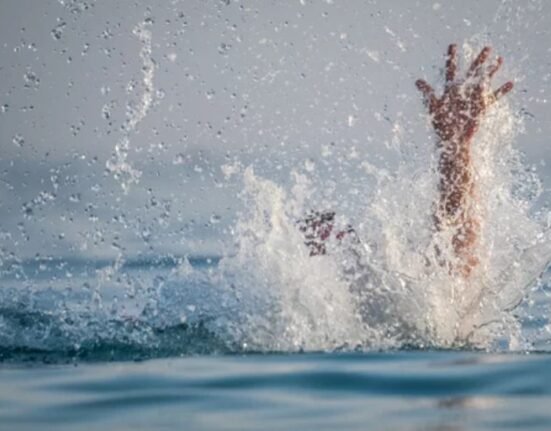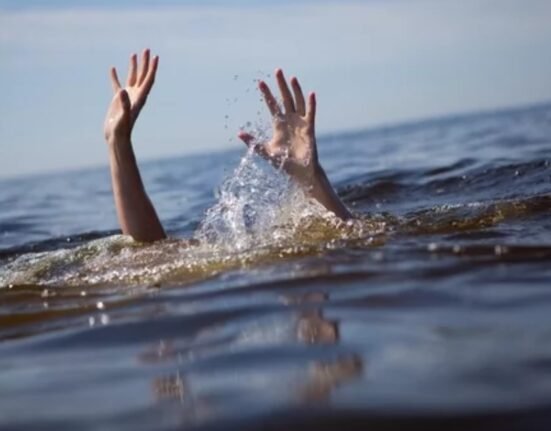

This guide provides a comprehensive review of the essential information on responding to drowning incidents, based on expert advice from Doç. Dr. Fatih Büyükcam and the Memorial Medical Publishing Board. It covers the causes, symptoms, and critical first aid steps necessary to save a life.
——————————————————————————–
Quiz: Test Your Knowledge
Answer the following ten questions in 2-3 sentences each to assess your understanding of the material.
- What are the most common causes of drowning identified in the text?
- List at least four key physical symptoms that indicate a person is in the process of drowning.
- According to the guide, what is the absolute first action a rescuer must take immediately after bringing a drowning victim to shore?
- If a rescued individual is not breathing but still has a pulse, what is the recommended first aid procedure?
- Describe the specific technique suggested for helping a victim expel swallowed water.
- Under what conditions should CPR (heart massage) be performed, and what is the specified rate of compressions?
- Why is constant adult supervision essential for children in the water, even if they are skilled swimmers or using flotation devices?
- If you cannot physically reach a person who is drowning, what initial actions can you take to assist them from a distance?
- Assuming a rescued victim is breathing and has a pulse, what immediate steps should be taken to ensure their comfort and stability while awaiting emergency services?
- Is it possible to perform artificial respiration while the victim is still in the water? Explain any limitations mentioned.
——————————————————————————–
Answer Key
- The most common causes include unintentionally moving into deep water while playing, being caught in a rip current, and entering the water without knowing how to swim. Additionally, consuming alcohol before swimming is a significant risk factor that frequently leads to fatal drowning incidents.
- Key symptoms include difficulty breathing; noisy, rapid, and deep respiration; phlegm and foaming at the mouth; and cyanosis (a bluish discoloration of the face, lips, and nails). Victims may also exhibit general distress, give incoherent answers, and eventually faint.
- The very first action after getting a victim to shore is to call for emergency medical help (112). This call must be made before any other life-saving interventions are attempted, as the arrival of professional teams is the top priority.
- If the person is not breathing but has a pulse, you should immediately perform mouth-to-mouth artificial respiration. This should be repeated 5-6 times. Once the person starts breathing again, they should be placed in the recovery position.
- To help a victim expel swallowed water, the rescuer should stand behind the person, place both hands under their abdomen, and lift them upwards. This action helps clear the airway by forcing the water out.
- CPR should only be administered if the victim is unconscious, not breathing, and has no pulse. Chest compressions must be performed at a rate of at least 100 times per minute. If you are alone, the recommended ratio is 30 chest compressions followed by 2 rescue breaths.
- Constant supervision is crucial because even children who are professional swimmers can panic when they encounter a problem in the water. This panic can cause them to thrash about instead of trying to swim, putting themselves in grave danger.
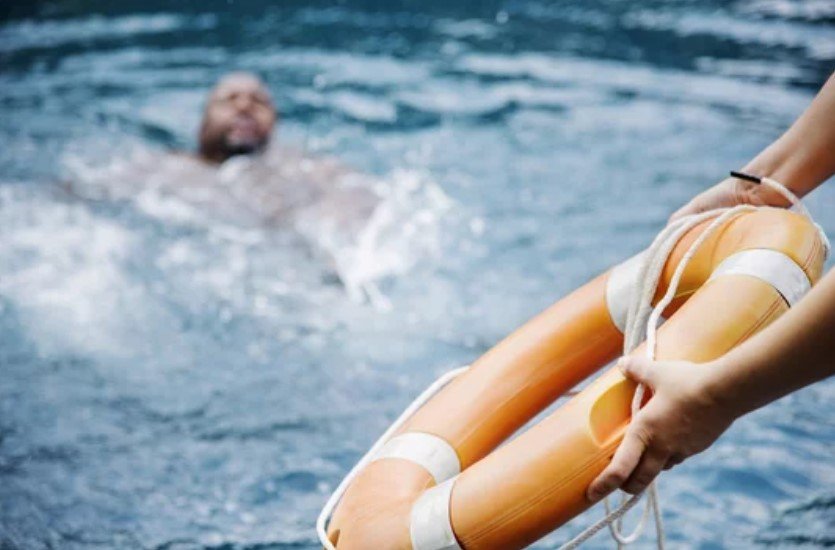
- Your first action should be to throw a non-sinking object to the person, such as a life jacket or a lifebuoy. If those are unavailable, you can extend a long pole or a rope for them to grab onto so you can pull them to safety.
- You should lay the person on their back and loosen any tight clothing, such as their collar or belt. If they have dentures, they should be removed. Wet clothing should be taken off and the person should be wrapped in a blanket to stay warm.
- Yes, the text states that artificial respiration can be started while the victim is still in the water, as every second is critical. However, it also notes that this is often not feasible in deep water where the rescuer cannot stand, making it necessary to get the person to shore as quickly as possible.