


Study Guide: Bee Allergies, Symptoms, and Treatment
This guide provides a comprehensive review of the provided source material on bee allergies, including a quiz to test knowledge, essay prompts for deeper analysis, and a glossary of key terms.
——————————————————————————–
Part I: Short-Answer Quiz
Instructions: Answer the following questions in two to three complete sentences, using only information from the source text.
- What are the most dangerous types of stinging insects mentioned, and what statistics are provided regarding the prevalence and mortality of insect sting allergies in Turkey and the United States?
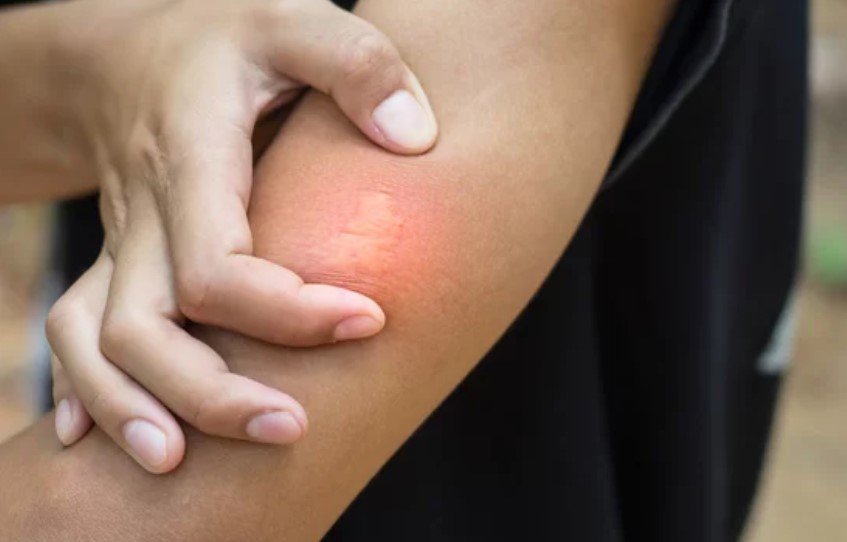
- Describe the difference between a typical, non-allergic reaction to a bee sting and a severe allergic reaction, noting the duration and types of symptoms for each.
- What are the three main types of severe allergic reactions to bee stings identified in the text, and what are some of the most critical symptoms that can occur?
- In which demographic group are deaths from bee sting allergies most common?
- What are the three primary components of diagnosing a bee allergy?
- List at least four factors that can increase the severity of an allergic reaction after it has begun.
- What is the correct procedure recommended for removing a bee’s stinger, and what immediate action should be taken after being stung?
- According to the text, what are three personal and environmental precautions one can take to avoid being stung by a bee?
- What essential item should a person with a known bee allergy carry, and when should it be used?
- What is the long-term protective treatment option for bee allergies, and where must this treatment be administered?
——————————————————————————–
Part II: Answer Key
- The text identifies bees as the most dangerous and deadly stinging insects, noting that large bees are more dangerous than smaller yellow wild bees. It states that in the United States, 50 people die each year from insect stings, while in Turkey, one in every ten adults has an insect sting allergy.
- A typical reaction involves small itches that disappear within 24 hours or redness and bumps that appear within two days and resolve in 2 to 7 days. A severe allergic reaction, however, can manifest as urticaria (hives), angioedema, or anaphylaxis, which can occur almost immediately or up to two hours later and may be fatal.
- The three main severe reactions are urticaria (kurdeşen), angioedema (a dangerous form of urticaria), and anaphylaxis (sudden collapse). Critical symptoms include edema in the throat, hoarseness, shortness of breath, and circulatory problems accompanied by shock.
- Deaths resulting from bee sting allergies are reported to be more frequent in men over the age of 50.
- The diagnosis of a bee allergy involves three key components: a thorough questioning of the patient about their history with stings, skin tests conducted with bee venom, and laboratory blood tests.
- After an allergic reaction begins, its severity can be increased by panic, fear, excessive heat, excessive exercise, and the consumption of alcohol.
- When removing a stinger, one must be careful not to squeeze the attached venom sac. The text advises that after being stung, a person should immediately seek assistance from a healthcare facility, particularly a hospital specializing in allergy testing and treatment.
- To avoid stings, a person can wear protective clothing like long socks, gloves, and shoes when outdoors. Additionally, one should remove or destroy beehives near the home and keep sugary foods covered, as they attract wild bees.
- A person with a known bee allergy should always carry an automatic epinephrine injector (epi-fen). This injector should be used immediately upon the onset of a dangerous reaction.
- The long-term protective treatment is a bee vaccine (immunotherapy). The text specifies that this allergy vaccine must be administered in a hospital setting.

