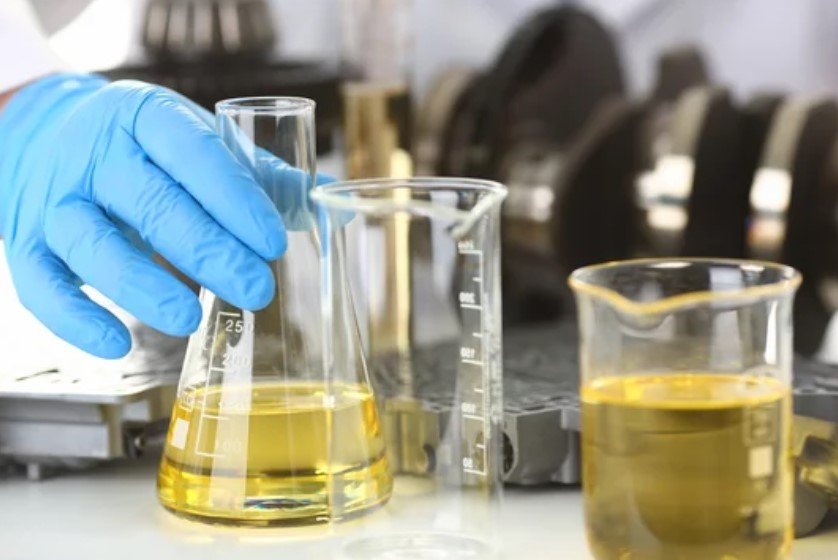
This guide provides a comprehensive review of Sarı Serum (Atom Serum), covering its composition, benefits, risks, and proper application based on the provided source material. It includes a short-answer quiz with an answer key, essay questions for deeper analysis, and a glossary of key terms.
——————————————————————————–
Quiz: Short-Answer Questions
Instructions: Answer the following questions in 2-3 complete sentences, using only the information provided in the source context.
- What is Sarı Serum and what are its primary therapeutic goals?
- List at least five key components commonly found in Atom Serum.
- How does Sarı Serum benefit the body’s immune system and energy levels?
- What are the main risks associated with the improper or unsupervised use of Sarı Serum?
- Describe the range of symptoms that can indicate an allergic reaction to Atom Serum.
- Under what specific circumstances can Sarı Serum be considered harmful to an individual?
- What gives the serum its characteristic yellow color?
- How long does a typical application of Sarı Serum take, and how soon can its effects be felt?
- Which groups of people should avoid using Sarı Serum without a doctor’s explicit approval?
- What is the official medical term for the treatment commonly known as Sarı Serum?
——————————————————————————–
Answer Key
- What is Sarı Serum and what are its primary therapeutic goals? Sarı Serum, also known as Atom Serum, is an intravenous (IV) support therapy that delivers vitamins, minerals, and antioxidants directly into the bloodstream. Its primary goals are to strengthen the immune system, increase body resistance and energy levels, and correct fluid-electrolyte imbalances. It is often used to speed up recovery from illnesses like the flu or to alleviate symptoms of chronic fatigue and stress.
- List at least five key components commonly found in Atom Serum. The composition of Atom Serum can vary, but it typically includes B vitamins (B1, B6, B12), Vitamin C (Ascorbic Acid), magnesium, and zinc. Other common components are glutathione, amino acids, and Coenzyme Q10, all mixed within a base of saline solution (serum fizyolojik) or a dextrose solution.
- How does Sarı Serum benefit the body’s immune system and energy levels? Sarı Serum strengthens the immune system through its high concentration of Vitamin C and zinc, which increase the body’s resistance to diseases, especially during seasonal changes. It combats fatigue and boosts energy with B vitamins and magnesium, which are vital for energy metabolism and cellular function, helping to alleviate symptoms of chronic tiredness and weakness.
- What are the main risks associated with the improper or unsupervised use of Sarı Serum? The primary risks of improper use include severe allergic reactions (anaphylaxis), vitamin overdose (hypervitaminosis) leading to organ toxicity, and an increased load on the kidneys and liver. There is also a significant risk of infection, including sepsis, if the procedure is not performed in a sterile environment, as well as the potential for sudden changes in blood pressure.
- Describe the range of symptoms that can indicate an allergic reaction to Atom Serum. Symptoms of an allergic reaction can range from mild to severe. Cilt (skin) symptoms include itching, rash, hives, and swelling. Respiratory symptoms involve sneezing, runny nose, and shortness of breath, while digestive issues can include nausea and vomiting. Severe circulatory symptoms like a sudden drop in blood pressure, dizziness, and rapid heartbeat can indicate anaphylaxis, a life-threatening emergency.
- Under what specific circumstances can Sarı Serum be considered harmful to an individual? Sarı Serum can be harmful if administered without a proper medical diagnosis, leading to an incorrect indication for its use. It is also dangerous if the dose is too high, potentially causing toxic effects on the kidneys and liver. Furthermore, its use is risky for individuals with pre-existing conditions like chronic kidney, liver, or heart disease, as it can worsen their condition.
- What gives the serum its characteristic yellow color? The serum’s distinct yellow color is a direct result of its contents, specifically certain B vitamins. The text identifies B2 vitamin (Riboflavin) as a naturally yellow-colored vitamin that imparts this hue to the intravenous solution.
- How long does a typical application of Sarı Serum take, and how soon can its effects be felt? A standard Sarı Serum application session typically lasts between 30 minutes and one hour, depending on the volume and specific contents of the infusion. While long-term immune benefits develop over time, many individuals report feeling initial effects, such as an increase in energy, within a few hours after the treatment is completed.
- Which groups of people should avoid using Sarı Serum without a doctor’s explicit approval? Certain individuals must not use Sarı Serum without a doctor’s evaluation and approval due to heightened risks. This includes pregnant or breastfeeding women, individuals with chronic kidney or liver disease, those with heart conditions, and people with blood pressure problems. Anyone taking regular medication should also consult a physician first.
- What is the official medical term for the treatment commonly known as Sarı Serum? While “Sarı Serum” and “Atom Serum” are popular, informal names, the formal medical term for this treatment is “Intravenous (IV) Vitamin Therapy.” Depending on its specific formulation, it may also be referred to by its key ingredients, such as a “Glutathione IV.”