The summer sun beats down, turning the air thick and heavy. You feel sluggish, a little dizzy, and overwhelmingly hot. For many, this is the classic picture of a dangerously hot day, a condition often dismissed as simple overheating. But when the body’s core temperature climbs uncontrollably, it can trigger a life-threatening medical emergency known as heatstroke.
Most people believe they understand the risks of extreme heat, but the reality is far more deceptive. Heatstroke isn’t just about feeling hot or dehydrated; it’s a full-system meltdown where the body’s internal thermostat breaks, causing core temperature to skyrocket and cook vital organs from the inside out. This article will reveal five surprising truths that challenge common assumptions and provide the critical knowledge you need to protect yourself and others.
- The Most Dangerous Sign Can Be a Lack of Sweat—Except When It Isn’t
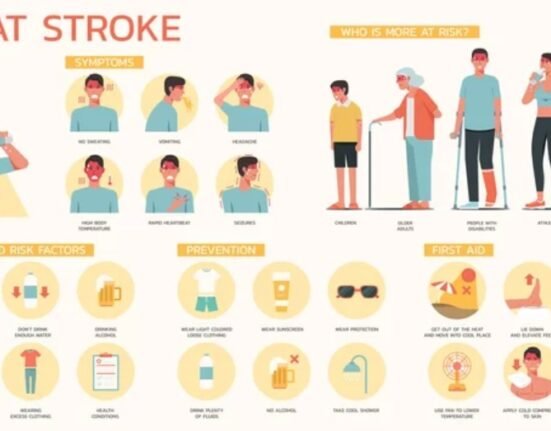
When you think of being dangerously hot, you likely picture someone drenched in sweat. While excessive sweating is a key sign of heat exhaustion—an earlier, less severe condition—a hallmark symptom of classic heatstroke is the exact opposite: the sudden cessation of sweating.
In what is known as “classic” or non-exertional heatstroke, which often affects the elderly, young children, or those with chronic illness, the body’s heat-regulation system completely collapses. The skin becomes hot, red, and alarmingly dry as the body loses its primary ability to cool itself. This paradox is what makes the condition so insidious.
However, there is a critical and dangerous exception. In cases of exertional heatstroke, which typically strikes healthy individuals like athletes, laborers, or soldiers during intense activity, the victim may still be sweating profusely. The source context confirms, “in heatstroke caused by intense physical activity, the person may still be sweaty and their skin may be moist.” This is because their body is still desperately trying to cool down against an overwhelming amount of internally generated heat. Relying on dry skin as the only definitive sign could cause you to overlook a life-threatening emergency in an athlete or outdoor worker.
- Fever Reducers Are Useless (and Potentially Harmful)
If someone has a body temperature of 104°F (40°C) or higher, the first instinct might be to reach for a common fever reducer like ibuprofen or acetaminophen. However, in the case of heatstroke, this would be a mistake. These medications are not effective and could even cause harm.
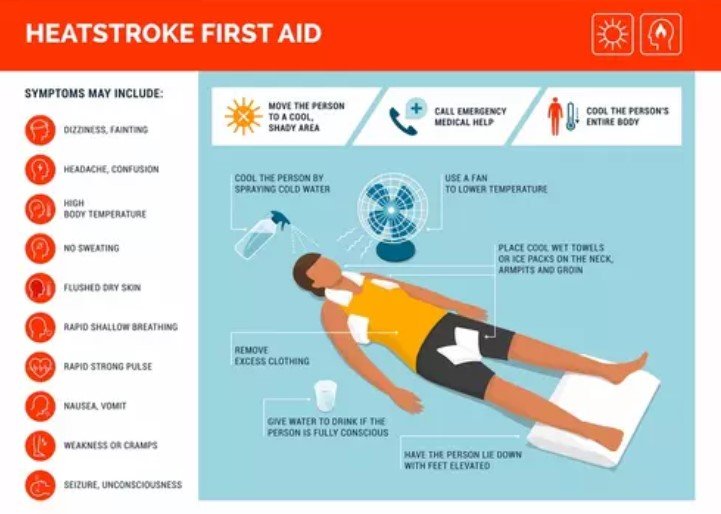
A high body temperature during heatstroke is not a true “fever.” A fever is a controlled increase in body temperature regulated by the brain’s hypothalamus, typically in response to an infection. The extreme temperature in heatstroke is an uncontrolled rise caused by the body’s cooling mechanisms being overwhelmed. Because these medications don’t address the underlying cause, they are ineffective and could even cause harm by adding metabolic stress to organs like the liver and kidneys, which are already being damaged by the extreme heat. The only life-saving treatment is rapid, aggressive physical cooling. This is because the problem isn’t a faulty thermostat signal from the brain, but a complete systemic overload where the brain itself is becoming a primary victim of the heat.
- Your Medicine Cabinet Might Be Increasing Your Risk
Certain common, everyday medications can significantly interfere with the body’s ability to regulate heat, making you more vulnerable to heatstroke. It’s crucial to be aware of how your prescriptions might affect you during a heatwave. The following types of drugs can increase your risk by disrupting your body’s natural cooling mechanisms:
- Diuretics: Often called “water pills,” these medications can lead to dehydration, reducing the body’s ability to produce the sweat needed for cooling.
- Antihistamines: Used for allergies, some antihistamines have anticholinergic effects that can impair the body’s sweating response.
- Antidepressants: Certain antidepressants can interfere with the hypothalamus, the brain’s thermostat, disrupting normal temperature regulation.
- Certain blood pressure medications and beta-blockers: These can reduce blood flow to the skin, which is a critical pathway for releasing body heat, effectively trapping it inside.
For individuals managing chronic conditions with these medications, understanding these side effects is a critical part of staying safe during periods of high heat.
- The Brain Is the First Major Organ to Suffer
While we often focus on the physical signs of heatstroke, the most immediate and severe impact is on the brain. Neurological symptoms are not just side effects; they are a primary indicator that the body is in a state of severe crisis and requires immediate medical attention.
Confusion, agitation, disorientation, irritability, and slurred speech are direct signs that the brain is being damaged by extreme heat. These symptoms signal a dire medical emergency that requires immediate intervention to prevent permanent injury or death.
“Due to impaired brain function, mood changes such as confusion, disorientation, restlessness, agitation, and irritability may be seen… The person may not know where they are or who they are, and may speak nonsensical sentences.”
- It’s Not Just the Heat, It’s the Humidity
The temperature on the thermometer tells only part of the story. High humidity can make a moderately hot day far more dangerous than a scorcher in a dry climate. The reason lies in the body’s primary cooling mechanism: the evaporation of sweat.
When humidity is high, the air is already saturated with water vapor, making it very difficult for sweat to evaporate from your skin. This effectively shuts down your body’s natural air conditioning system. Because the cooling process is blocked, body heat cannot escape and core temperature continues to rise. This is why a humid 90°F (32°C) day can pose a greater risk for heatstroke than a dry 100°F (38°C) day.
Conclusion: Stay Aware, Stay Safe
Heatstroke’s greatest danger lies in its deception. It can strike without the tell-tale sign of dry skin, it won’t respond to the fever medicines we instinctively reach for, and its first victim is often the mind, leaving a person unable to recognize their own peril. By understanding these counter-intuitive truths, you are better equipped to see through the disguise. Now that you can spot these hidden dangers, what’s one small step you can take to help protect yourself and your community during the next heatwave?