
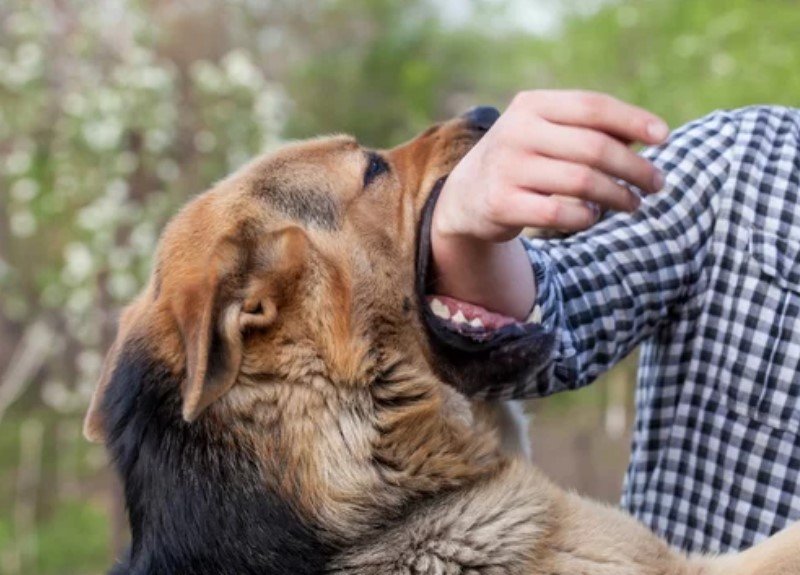
Introduction: More Than Just a Bite
We’ve all been there: approaching an unfamiliar dog, a moment of hesitation flashes through your mind. While we often worry about the immediate pain or the sight of an injury from a dog bite, the most critical dangers and the most effective life-saving actions are frequently misunderstood. The truth is, the consequences can range from a minor scare to life-altering injury and infection, and what you don’t know can significantly impact your recovery.
This article reveals five surprising and impactful truths about dog bites, drawn directly from medical expertise. Understanding these facts will equip you not just to react, but to react correctly, potentially changing the outcome of a dangerous situation.
- The Invisible Wound: Psychological Scars Can Outlast the Physical Ones
The impact of a dog bite extends far beyond the physical damage. While a wound may heal, the psychological trauma can linger for years, profoundly affecting a person’s quality of life. This is especially true for children.
A common consequence is the development of kynophobia, an intense fear of dogs. In more severe cases, victims can suffer from Post-Traumatic Stress Disorder (PTSD). The symptoms of PTSD can be debilitating and include:
- Recurring nightmares about the event
- Severe anxiety and panic attacks
- Active avoidance of any places or situations that trigger memories of the attack
These psychological scars can erode a person’s self-confidence and negatively impact their social life, making it crucial to recognize that the healing process must include mental and emotional recovery as well as physical care.
- The 10-Minute Rule: Your First Response Is Your Best Defense Against Infection
In the moments after a dog bite, your first action is the single most important step in preventing a serious infection. Before you do anything else, you must clean the wound thoroughly.
Medical guidelines are clear and emphatic: the wound must be washed immediately with soap and running water for at least 5 to 10 minutes.
This isn’t a quick rinse. This prolonged washing mechanically removes a significant amount of bacteria and other contaminants introduced by the bite, drastically reducing your risk of infection. After this critical step, follow these first-aid procedures:
- Control Bleeding: Apply firm, direct pressure to the wound with a clean cloth or sterile gauze.
- Apply Antiseptic: Once the wound is clean, apply an appropriate antiseptic solution to help kill any remaining surface microbes.
- Cover the Wound: Use a sterile bandage to cover the wound, protecting it from further contamination.
- Seek Medical Help: These steps are essential first aid, but they are not a substitute for professional medical care. It is mandatory to see a doctor after any dog bite to have the wound properly assessed.
- The Doctor’s Dilemma: Why Some Wounds Are Left Open
When you arrive at the emergency room, you might expect the doctor to immediately stitch your wound closed. However, you might be surprised to see them leave it open. This is a deliberate and important medical decision.
The reasoning is simple: a dog’s mouth contains numerous bacteria. A deep puncture wound is already a high-risk injury for infection. Closing that wound with stitches can trap those dangerous bacteria deep inside, creating a warm, moist, and sealed environment where a severe infection or abscess can rapidly develop.
To prevent this, a doctor may decide to leave a high-risk wound open to heal from the inside out, a process known as secondary healing. This allows the wound to drain properly and significantly reduces the risk of dangerous complications.
- The Rabies Protocol: It’s More Than Just a “Shot”
If there is any risk of rabies, the medical response is an aggressive, time-sensitive protocol known as Post-Exposure Prophylaxis (PEP). This isn’t just a simple “rabies shot”; it’s a two-part intervention designed to provide immediate and long-term protection.
- Rabies Immune Globulin (RIG): This is not the vaccine. RIG is a dose of ready-made rabies antibodies. As much of the dose as possible is injected directly into and around the wound site, with the remainder being injected into a muscle away from the bite. Its purpose is to provide immediate, passive immunity to neutralize the virus at the point of entry. It acts as a bridge, protecting you while your body works to create its own defenses.
- The Rabies Vaccine Series: This is a series of vaccinations (typically five doses given on days 0, 3, 7, 14, and 28) that stimulates your body to produce its own long-term, active immunity against the virus.
The gravity of this protocol underscores the danger of the disease.
Rabies is a viral disease that affects the central nervous system and is fatal if left untreated. This makes emergency and aggressive medical intervention an absolute necessity.
- Don’t Run: Your Reaction Can Change the Outcome
If you are confronted by an aggressive or threatening dog, your instincts may scream at you to turn and run. This is the worst thing you can do, as it can trigger a dog’s natural prey drive, encouraging it to chase and attack. Instead, you must fight your instincts and follow these steps:
- Stay Still: Remain motionless. Do not make eye contact, but keep the dog in your peripheral vision.
- Protect Yourself: Slowly bring your arms in front of your body, creating a barrier to shield your head and neck.
- If You Fall: If you are knocked to the ground, immediately curl into a fetal position. Clasp your hands behind your neck to protect it, and remain as still as possible.
Prevention is also key. Avoid approaching unfamiliar dogs, especially if they are eating, sleeping, or caring for puppies. These situations can cause the dog to feel threatened or trigger its instinct to protect its resources (like food or its young), leading to a defensive attack.
Conclusion: Be Prepared, Not Scared
Dog bites are a serious medical issue, but the immediate physical injury is only the beginning of the story. By understanding the risk of psychological trauma, the critical importance of the 10-minute cleaning rule, the logic behind medical treatments, and how to react during a confrontation, you empower yourself with life-saving awareness.
The next time you feel that moment of hesitation with an unfamiliar dog, you’ll have more than just instinct—you’ll have knowledge. You’ll be prepared, not scared.