
Introduction: The Critical Minutes
What would you do if someone in front of you suddenly stopped breathing? While most of us have heard of artificial respiration, often called “rescue breathing,” there are critical details and common misconceptions that can mean the difference between life and death. Acting correctly in those first few minutes is crucial.
This article is here to clear up the confusion. We will reveal five of the most impactful, and perhaps surprising, facts about this life-saving procedure, based on expert medical guidance. Understanding these details can empower you to act with confidence when it matters most.
- It’s Not Just for Drowning
When people think of artificial respiration, they often picture a dramatic rescue from water. While it is essential in drowning cases, the need for this procedure arises in a much wider range of common emergencies. Breathing can stop for many reasons, making first aid knowledge a vital skill for everyday life.
These situations include:
- Heart attack and cardiac arrest: A heart attack can lead to cardiac arrest (the heart stopping), which in turn causes breathing to cease.
- Electric shock: High-voltage electricity can disrupt the body’s respiratory and cardiac centers.
- Poisoning: Inhaling toxic gases like carbon monoxide or certain drug overdoses can suppress breathing.
- Severe head trauma or brain injury: Damage to the brain’s respiratory control center can halt breathing.
- Anaphylaxis (severe allergic reactions): Swelling in the airways can block the passage of air.
- Choking on a foreign object: If an object blocks the airway and isn’t cleared, breathing will cease.
Recognizing this broad range of causes underscores just how critical it is to be prepared. An emergency can happen anywhere, not just in extreme circumstances. Recognizing when help is needed is the first step; the next is knowing how to provide it.
- Mouth-to-Mouth Isn’t Your Only Option
While mouth-to-mouth is the most well-known method, first aid providers have other options for specific scenarios. The primary goal is always to get oxygen into the lungs, and the best method depends on the situation.
The Mouth-to-Nose technique is a key alternative. It is the preferred method when mouth-to-mouth isn’t possible, such as in cases of severe injury to the mouth or if the person’s jaw is locked shut. In this procedure, the rescuer blows air into the person’s nose while holding their mouth closed.
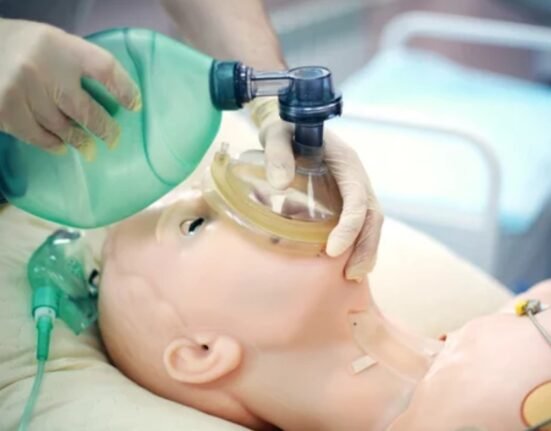
Additionally, healthcare professionals use specialized equipment to provide more hygienic and effective interventions. These include the Mouth-to-Mask technique, which uses a resuscitation mask as a barrier, and the Ambu Bag, a manual resuscitator that allows for more controlled delivery of air.
The goal is to get air into the lungs. The most important thing in an emergency is to choose the most suitable method for the situation and act quickly.
But before you can choose a method, you must first be certain that intervention is necessary.
- The “Look, Listen, and Feel” Method is Your First Critical Check
Before starting artificial respiration, you must confirm that the person is not breathing normally. Check for a response by gently shaking their shoulders and asking loudly if they are okay. If the person does not respond, you must immediately call for emergency medical help (or delegate someone else to call) before proceeding.
Next, ensure the airway is open by gently tilting the head back and lifting the chin. Once the airway is clear, perform the “Look, Listen, and Feel” check for no more than 10 seconds:
- Look: Watch the person’s chest for the rhythmic rising and falling motion of normal breathing.
- Listen: Place your ear close to the person’s mouth and nose to listen for the sound of air moving.
- Feel: Feel for the warmth of their breath against your cheek.
If you see, hear, or feel no signs of normal breathing after 10 seconds, it’s time to begin artificial respiration.
- Rescuing an Infant Requires a Much Gentler Approach
The techniques used on adults are dangerous for infants. A baby’s body is far more delicate, and applying adult methods can cause serious harm. There are three critical differences you must know when providing aid to a baby.
- Head Position: An infant’s head should only be tilted back slightly into what is called a “sniffing position” (“koklama pozisyonu”). Overextending a baby’s neck can actually block their tiny airway.
- Mouth Placement: Your mouth must create a seal over both the baby’s mouth and nose at the same time due to their small facial structure.
- Breath Volume: This is the most crucial difference. You do not blow a full breath. Instead, provide a gentle puff of air, using only the volume you can hold in your cheeks. The goal is to deliver just enough air to see the baby’s chest rise slightly. Blowing too hard can severely damage an infant’s lungs.
Whether aiding an infant or an adult, rescue breaths are most effective when paired with another critical action.
- Artificial Respiration and Chest Compressions Work Together
Artificial respiration is a critical piece of a larger puzzle: Cardiopulmonary Resuscitation (CPR). In cases of cardiac arrest where the person is not breathing and has no pulse, rescue breaths must be combined with chest compressions to be effective.
The logic is simple and vital: artificial respiration provides oxygen to the lungs, but if the heart has stopped, there is no circulation to deliver that oxygen to the brain and other organs. Conversely, chest compressions alone would only circulate deoxygenated blood. The two actions must work together to sustain life.
The standard cycle for CPR is 30 chest compressions followed by 2 rescue breaths. This 30:2 cycle should be continued without interruption until professional medical help arrives or the person begins to show signs of recovery.
Conclusion: From Bystander to Lifesaver
Knowing the difference between myth and fact can transform you from a helpless bystander into a confident and effective first responder. Understanding the varied causes, the different techniques, the right way to assess a victim, and the critical partnership between breaths and compressions empowers you to provide aid that can truly save a life.
Now that you know these critical details, what’s the next step you’ll take to be prepared for an emergency?